What You Need To Know
Buying a vineyard in a beautiful part of the world such as Chile’s Colchagua Valley is a lifestyle dream for many people. The idea is easy to understand: vines outside the window, your own wine on the table and a life shaped by the seasons rather than an office timetable. But what is it really like to own and run a small winery in Chile- and what should you consider before searching for a winery for sale in Chile?
This article is based on Matt Ridgway’s personal experience of buying farmland in Chile, planting a vineyard, building a winery, creating a wine brand and developing a successful tourism business in the Colchagua Valley. It is a story about what is possible, but also an honest account of the work involved.
From four hectares of weeds to an established wine business
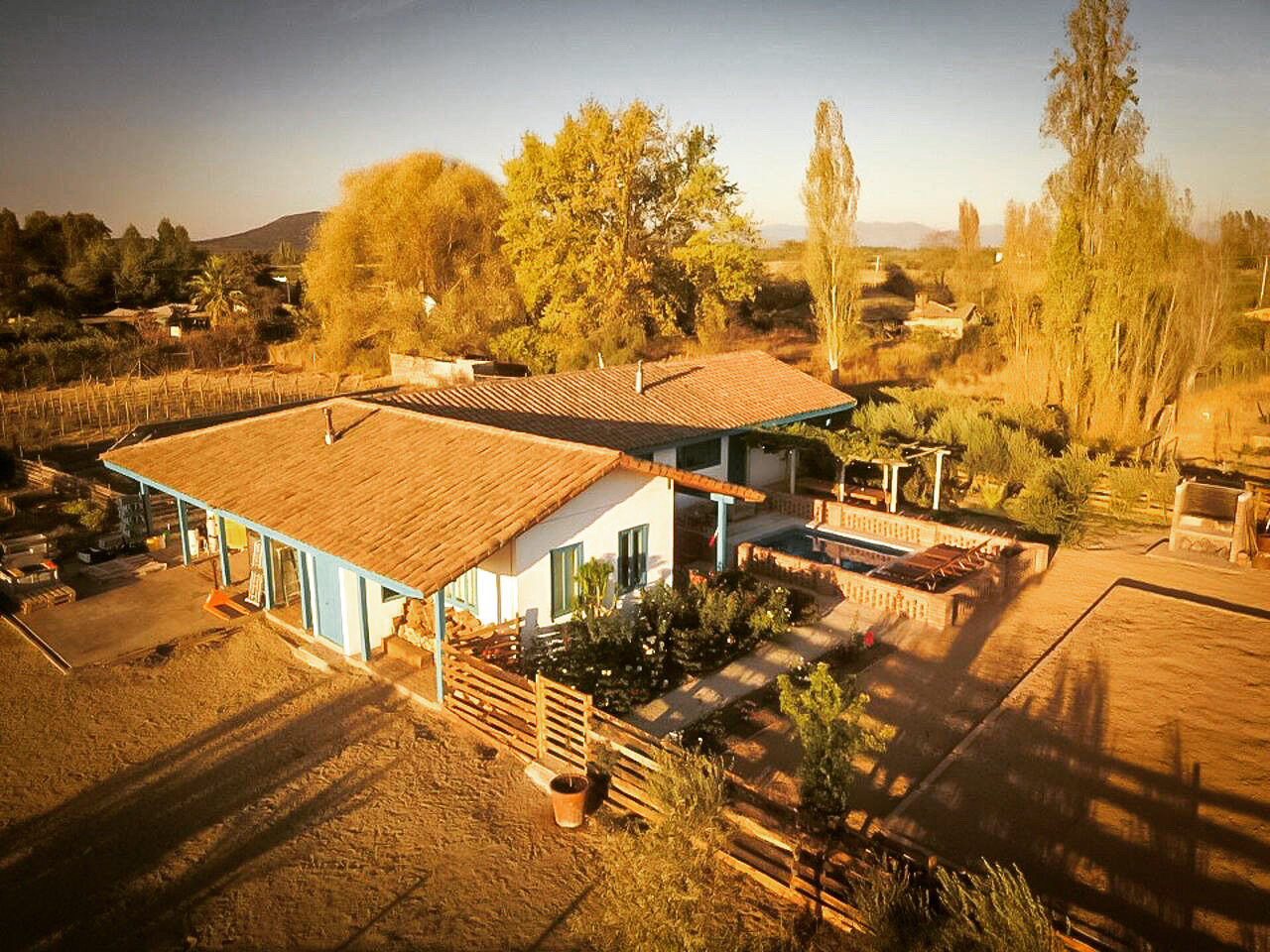
In 2011, Matt bought four hectares of overgrown land with a tumbledown adobe workers’ cottage. The house had been damaged by the 2010 earthquake and, according to local residents, dated from around 1900. There was no functioning vineyard, winery or established business—just a neglected rural property with potential.
Over the following months, Matt renovated and expanded the house. In 2013 he planted the first hectare of vines, choosing varieties that were still unusual in Chile at the time: Grenache, Mourvèdre and Syrah. The aim was not to imitate the large Cabernet Sauvignon and Carménère producers, but to make distinctive, small-production wines with a Mediterranean character.
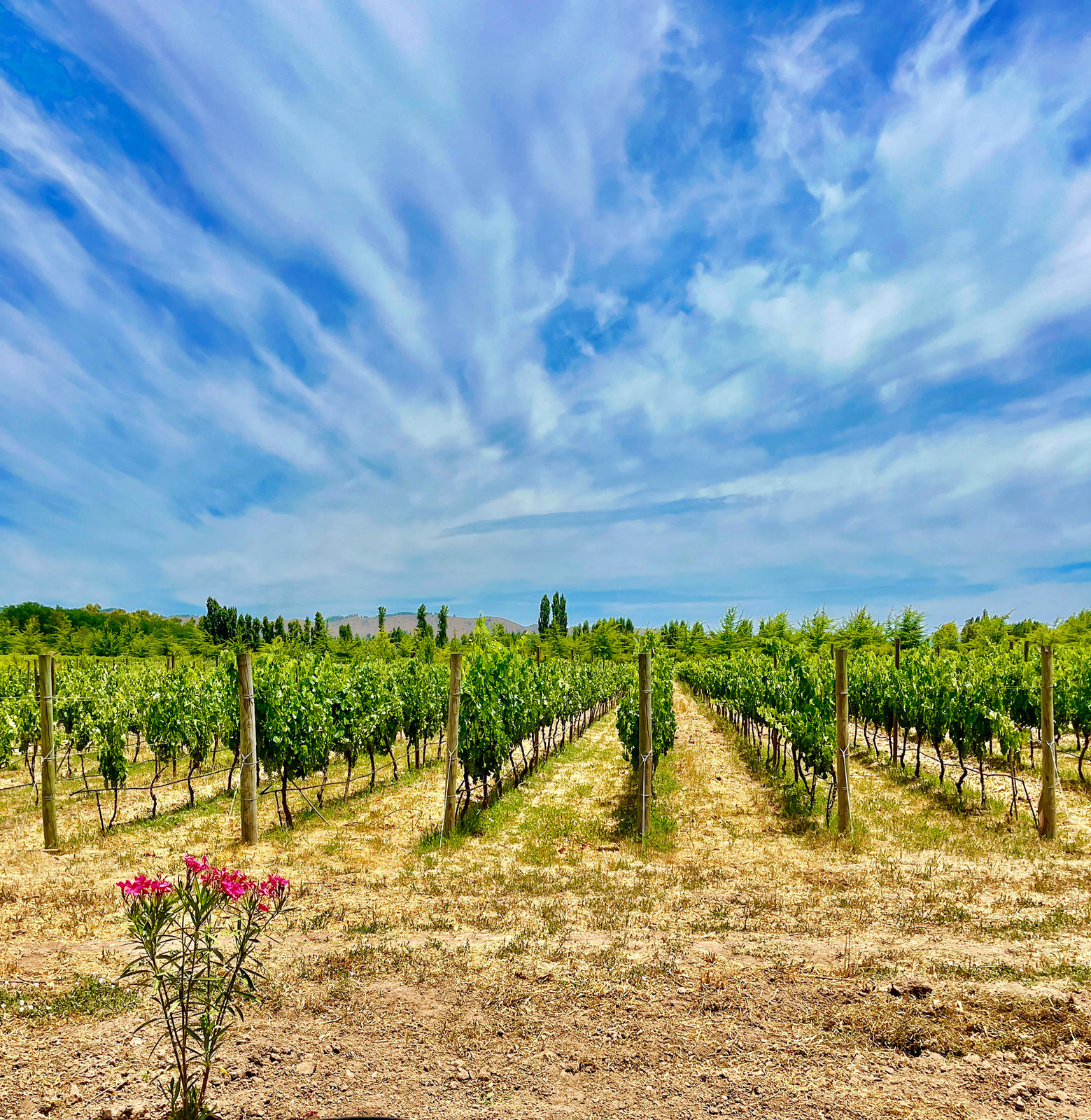
In 2015, Matt and his Chilean wife, Ana, made their first barrel of wine. A year later they created La Despensa Wines. The project gradually expanded with new plantings of Cinsault and Sangiovese, together with the white Rhône varieties Marsanne, Roussanne, Viognier and Grenache Blanc. La Despensa also rescued a 150-year-old País vineyard in Pumanque, preserving an important piece of Chile’s viticultural heritage.
Today, La Despensa produces seven different wine labels, exports to five countries and works with one of Chile’s most important distributors. Its wines consistently receive scores of 90 points or more from Chilean and international critics, including Jancis Robinson MW and Chile specialist Alistair Cooper MW (who also named their Pais Chile's best).
Perhaps the most encouraging part of the story is that Matt began with no experience of managing a vineyard or making wine, and with no contacts in the wine industry. He has made all the wines himself since 2020, without a consultant. It is during this period that the winery has earned its strongest critical scores and increased both export and domestic sales.
Wine tourism can transform the economics
In 2020, La Despensa opened a tourism centre that includes two luxury studio apartments. This created an important secondary source of income, while also increasing direct-to-consumer wine sales. Visitors who stay at the property or take a tour do not simply buy a bottle: they connect with the place, the people and the story behind the wine.
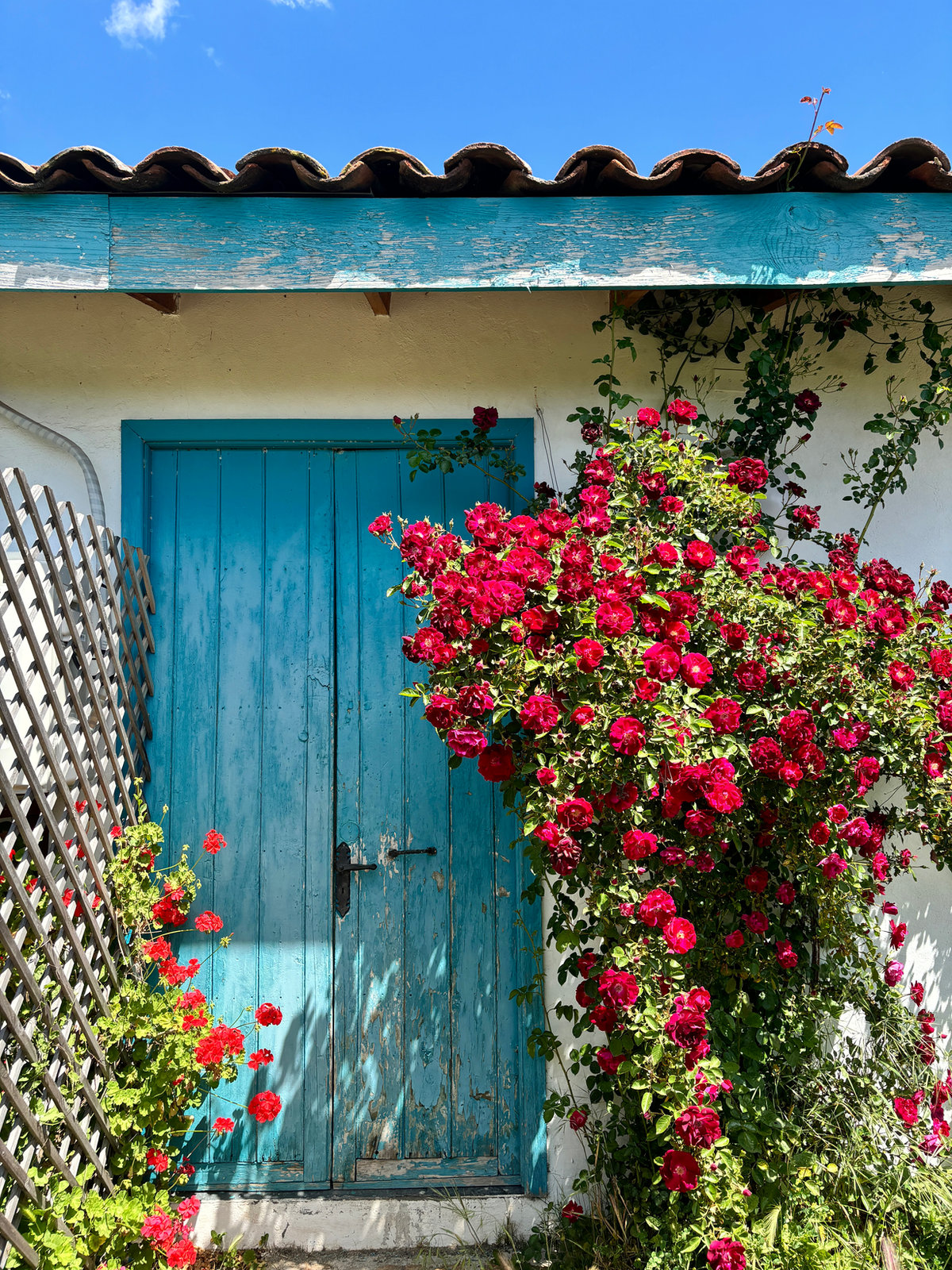
For a small winery, this combination of artisanal production, accommodation, tours and direct sales can be far more resilient than relying entirely on wholesale wine distribution. It also gives the owner several complementary businesses within one property.
Is winery ownership really the dream lifestyle?
In many ways, yes. Matt and Ana live in a beautiful part of the world, in a house with extraordinary views across the Colchagua countryside. They can sit outside in the evening, open a bottle of their own wine and watch the sun set over the vines. The work is closely connected to the land, the weather and the changing seasons.
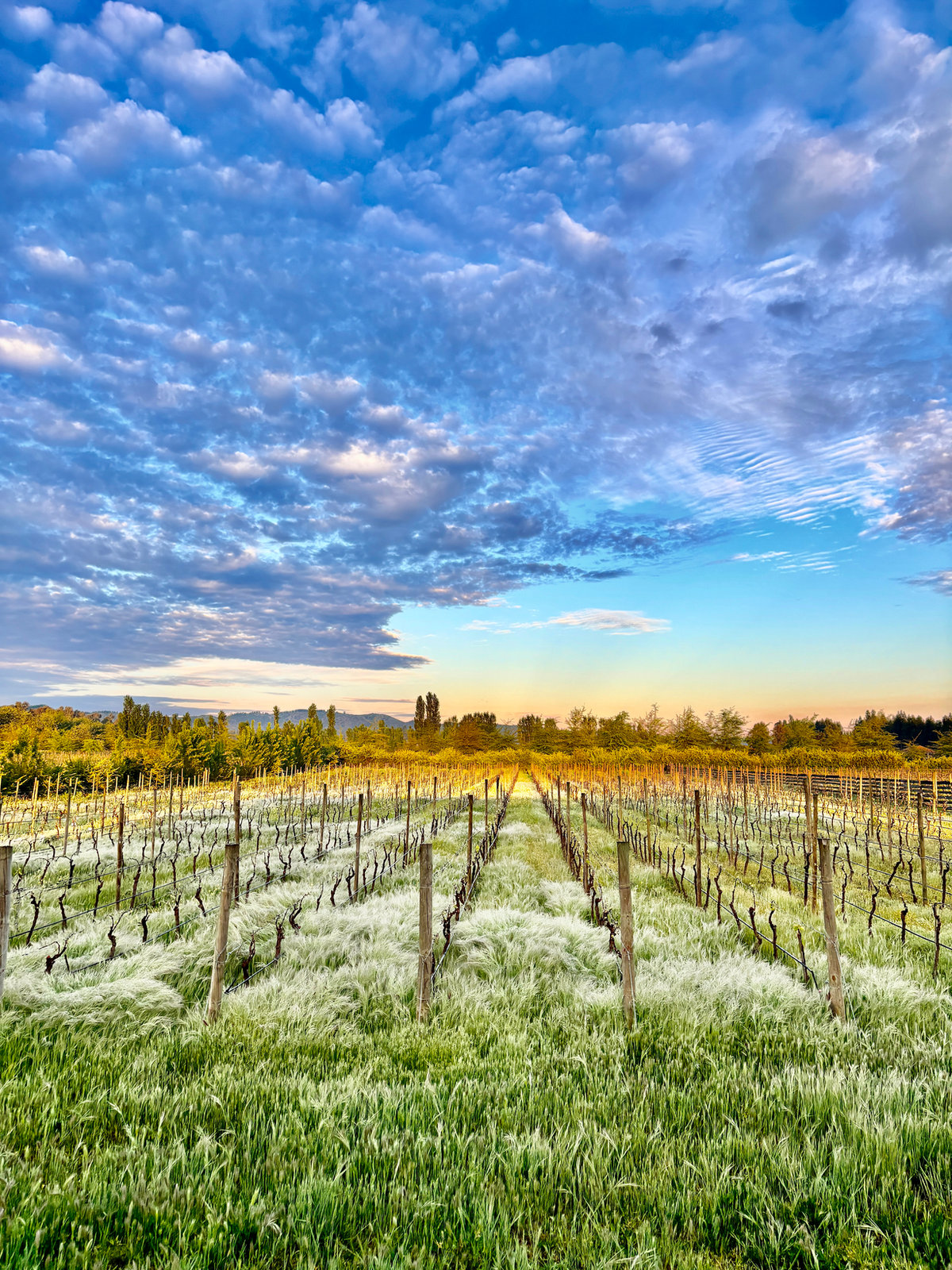
But it is important not to romanticise the reality. Running a boutique winery is extremely hard work. Matt works full-time in the vineyard and winery, carrying out much of the physical work himself while managing La Despensa’s two employees. He drives the tractor, tends the vines, controls weeds, maintains the gardens and buildings, runs tours and manages production.
That is only part of the job. There is also marketing, sales, administration and the constant search for new customers in Chile and overseas. Bottles need to be labelled and waxed, orders prepared and wine delivered to Santiago. Ana manages the accommodation alongside her own jewellery and handmade bag businesses.
The lesson is simple: a small winery can provide a wonderful life, but it is not a passive investment unless you employ experienced people to operate it for you.
Is a small winery financially viable?
Yes, absolutely—but you have to genuinely want to do it. Winery ownership at this scale is normally a labour of love as well as a business. Global wine consumption has been falling, and smaller producers cannot compete with industrial wineries on volume or price. The most promising model is therefore based on quality, originality, small-scale artisanal production, direct sales and wine tourism.
There is also another way to evaluate the opportunity. A wine business can form part of a broader lifestyle investment in which wine and tourism cover the running costs, the owner enjoys the property, and the underlying land and buildings appreciate over time. For some buyers, that balance is more attractive than pursuing rapid business growth.
Anyone considering farmland for sale in Chile should look beyond the purchase price. Water rights, soil, frost risk, access, existing buildings, labour availability and the cost of establishing or restoring vines can all materially affect the investment. A functioning winery with licences, equipment, routes to market and an experienced management team is very different from buying bare land and beginning from zero.
Three ways to own La Despensa
La Despensa is currently available in several configurations, depending on whether the buyer wants a complete operating business or primarily a lifestyle property.
The complete winery, tourism business and home: The entire operation can be acquired as one business unit, including the wine business, tourism accommodation and residential property. View the Winery and Tourism Business With Home.
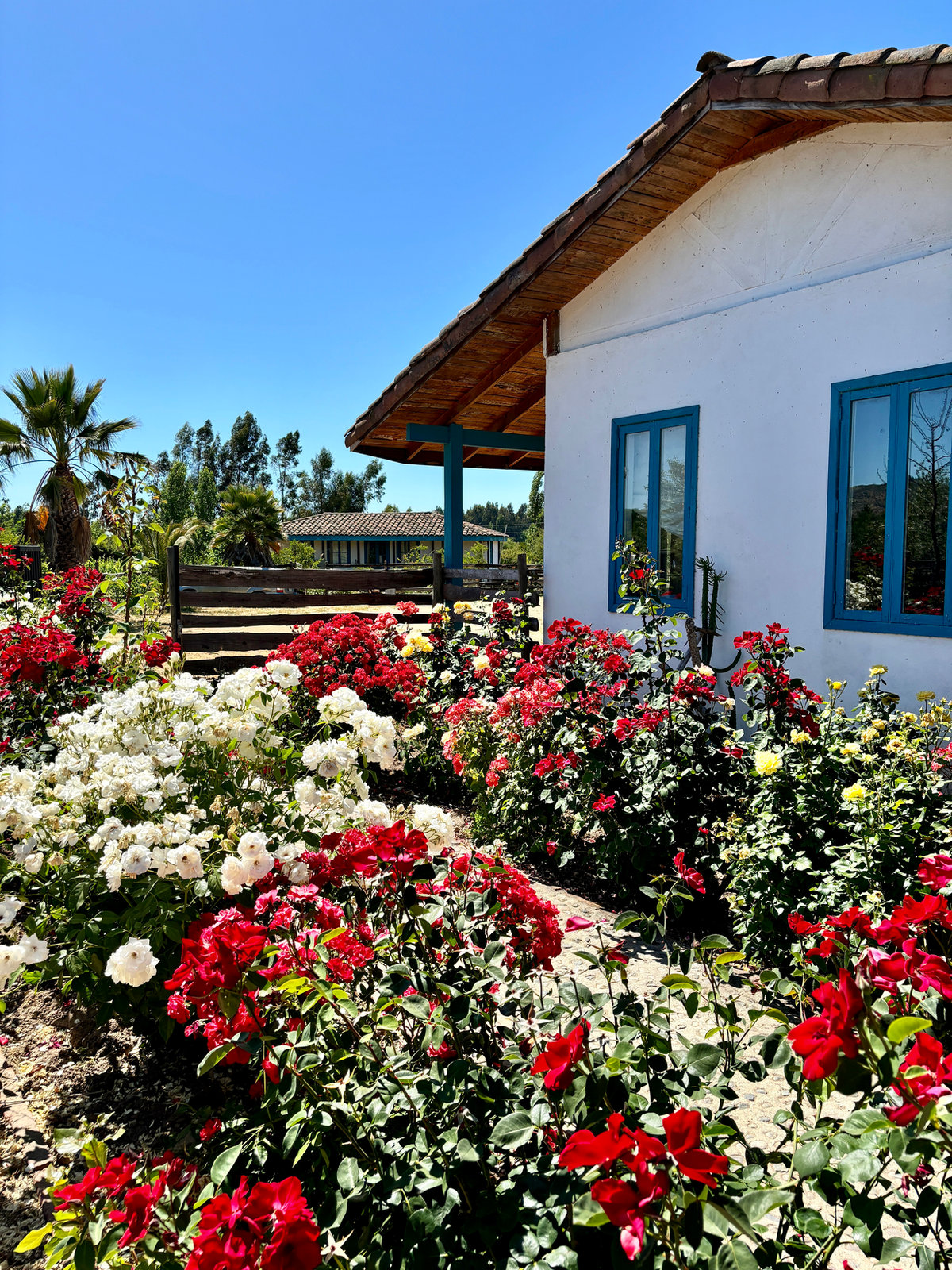
A home overlooking the vineyard: For buyers seeking a country home rather than the full commercial operation, one part of the property is available separately as a beautiful residence with sweeping vineyard and sunset views. View the home and vineyard property.
The winery, vineyard and mini-hotel: The working winery, vineyard and tourism accommodation can also be purchased separately. The winery building has the potential to be converted into an exceptional country home if a future owner prefers a more residential use. View the winery for sale in Chile.
A fully managed opportunity
Both individual properties—or the complete business—can be managed by Matt and Ana. They intend to continue living directly next door and have no plans to leave the neighbourhood. Matt would be delighted to remain involved and help the new owner for the short, medium or long term.
This makes the opportunity very different from buying an unmanaged vineyard for sale in Chile and having to build a team, establish production and develop sales channels from scratch. A buyer can acquire a functioning vineyard and wine business with experienced management already in place. In practical terms, all that is required on the first evening is a corkscrew!
So, is buying a winery in Chile a good idea?
It certainly can be. However, buyers need to approach the decision with both enthusiasm and realism. If you plan to manage the operation personally, you must be committed financially, emotionally and physically. If you prefer a managed lifestyle investment, the quality and continuity of the local team become essential.
The rewards go far beyond wine sales. Wine brings people together, and Colchagua has a close and supportive community of local families and international investors. Producers help one another, share experiences and collaborate. Lunches have a habit of continuing into the evening, with bottles opened beside the fire and friendships formed around the table.
It is hard work, but it can also be the good life in its most authentic form: meaningful work, beautiful surroundings, excellent wine and a community that welcomes people who are serious about becoming part of it.
How Chile Investments can help
Chile Investments can help international buyers identify suitable wineries, vineyards and rural properties throughout Chile. We can coordinate property searches, introduce independent legal and technical professionals, arrange visits and guide buyers through the practical stages of purchasing and investing in Chile.
Whether you are looking for an established winery for sale in Chile, a vineyard, a country home among the vines or productive farmland for sale in Chile, the most important first step is to define the lifestyle and level of involvement you actually want. From there, we can help you find an opportunity that fits both your ambitions and the reality of owning it.