Providencia and Santiago Centro: Parque Forestal, Lastarria and Bellas Artes
Santiago is a city of distinct neighbourhoods, and choosing the right one matters as much as choosing the apartment itself. For international buyers looking at real estate in Santiago, Chile, we tend to focus on four central areas: Providencia and, within Santiago Centro, the closely connected neighbourhoods of Parque Forestal, Lastarria and Bellas Artes.
This is not a guide to Santiago Centro as a whole. It is a close look at three specific pockets where walkability, architecture, culture and established demand create a compelling mix for both lifestyle buyers and investors.
Local experience, not just market theory
Matt and Ana own property in this part of Santiago. Matt has also bought, renovated and sold multiple apartments in Bellas Artes and Parque Forestal, learning first-hand where older buildings hide value—and where renovation costs, building administration or an awkward floor plan can undermine an otherwise attractive purchase.
He still sees opportunities in this business. The easy deals are less common than they once were, but well-located apartments with good proportions, natural light and renovation potential can still be transformed into highly desirable homes.
Providencia: connected, established and consistently in demand
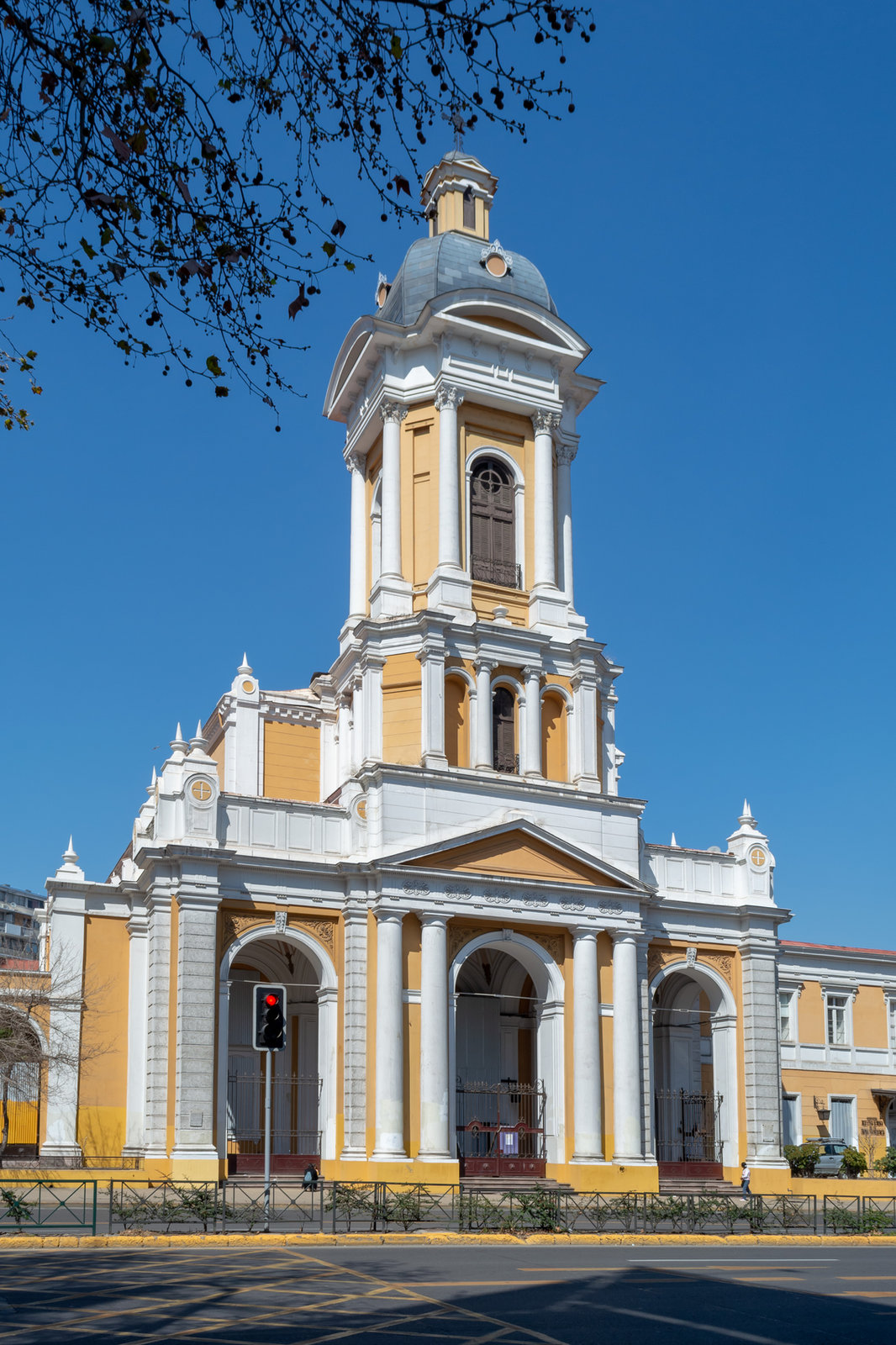
Providencia is one of Santiago’s most practical places to live. Metro stations, major bus routes, cycle lanes and walkable commercial streets make it easy to reach business districts, universities, parks and the historic centre. The neighbourhood also offers an unusually broad range of restaurants, cafés and bars—from long-established local favourites to polished new openings.
For generations, Providencia has been the aspirational middle-class barrio: central without feeling chaotic, urban but softened by mature trees, parks and quieter residential streets. That reputation has created permanent, broad-based demand for apartments from professionals, families, students and downsizers. No market is guaranteed, but this deep pool of potential occupants is one reason property in Providencia has remained so resilient.
Architecture and everyday life
Providencia’s architecture is varied rather than uniform. You will find elegant early- and mid-20th-century houses, solid brick apartment buildings from the 1940s to the 1970s, contemporary towers and converted commercial properties. The best residential streets combine generous pavements, mature trees and useful neighbourhood shops, while the busier avenues put services and transport close at hand.
Providencia is also generally regarded as one of the safer and better-managed central communes, although normal big-city precautions still apply and conditions vary street by street. For buyers, the advantage is ease: daily life can work without a car, and the neighbourhood remains active throughout the week rather than depending only on office workers or tourists.
MUT: a new focal point at Tobalaba
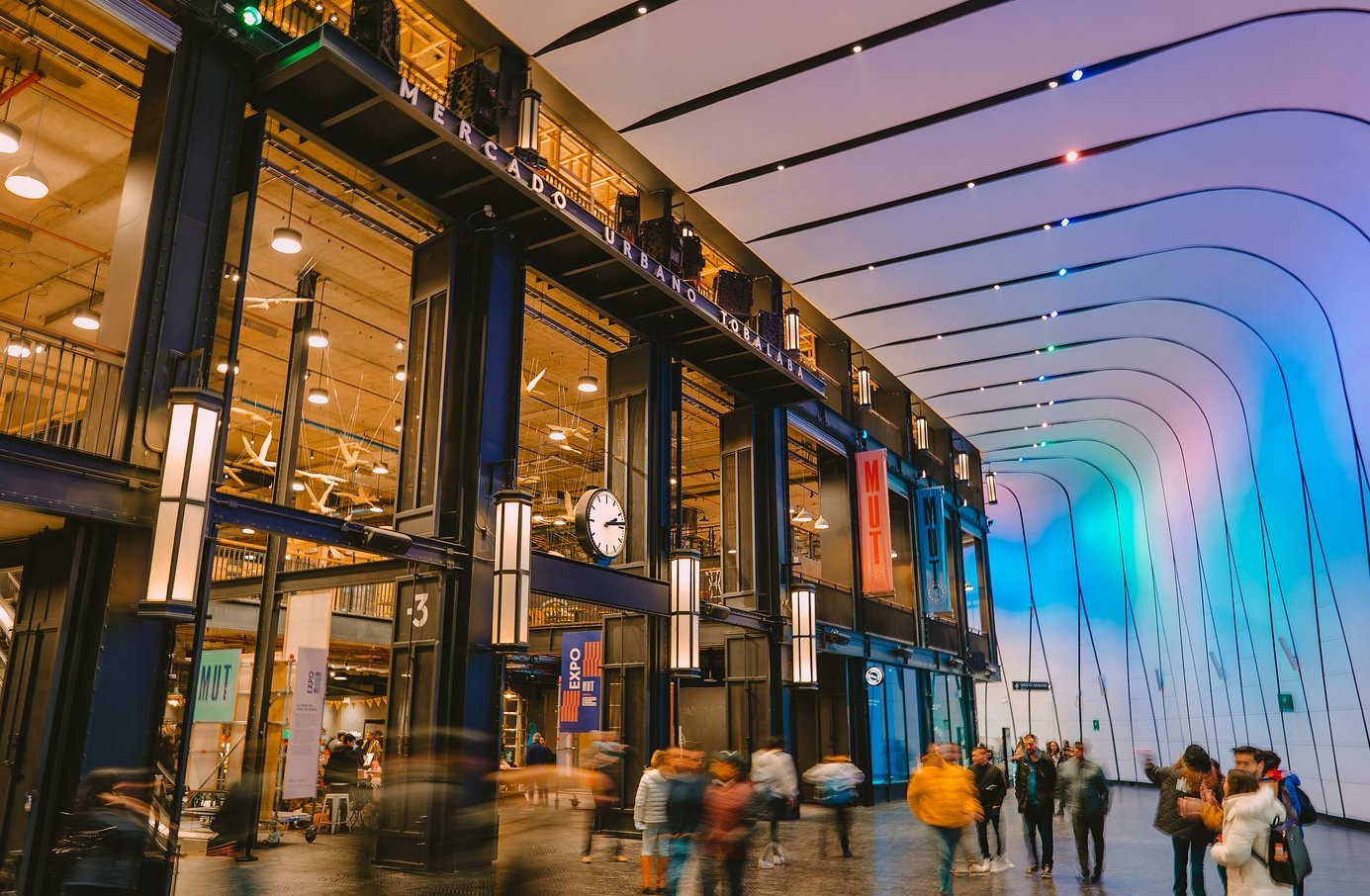
MUT—Mercado Urbano Tobalaba—has added a major mixed-use destination beside Tobalaba Metro. Its shops, restaurants, terraces, workspaces and public areas strengthen an already important transport hub. The project links directly into the surrounding pedestrian and Metro network and brings a contemporary layer of architecture and public space to the eastern edge of Providencia.
For nearby property owners, MUT is another reason this part of the neighbourhood is attractive: transport, food, retail and services are concentrated within a short walk.
Cerro San Cristóbal and Santiago’s cable cars
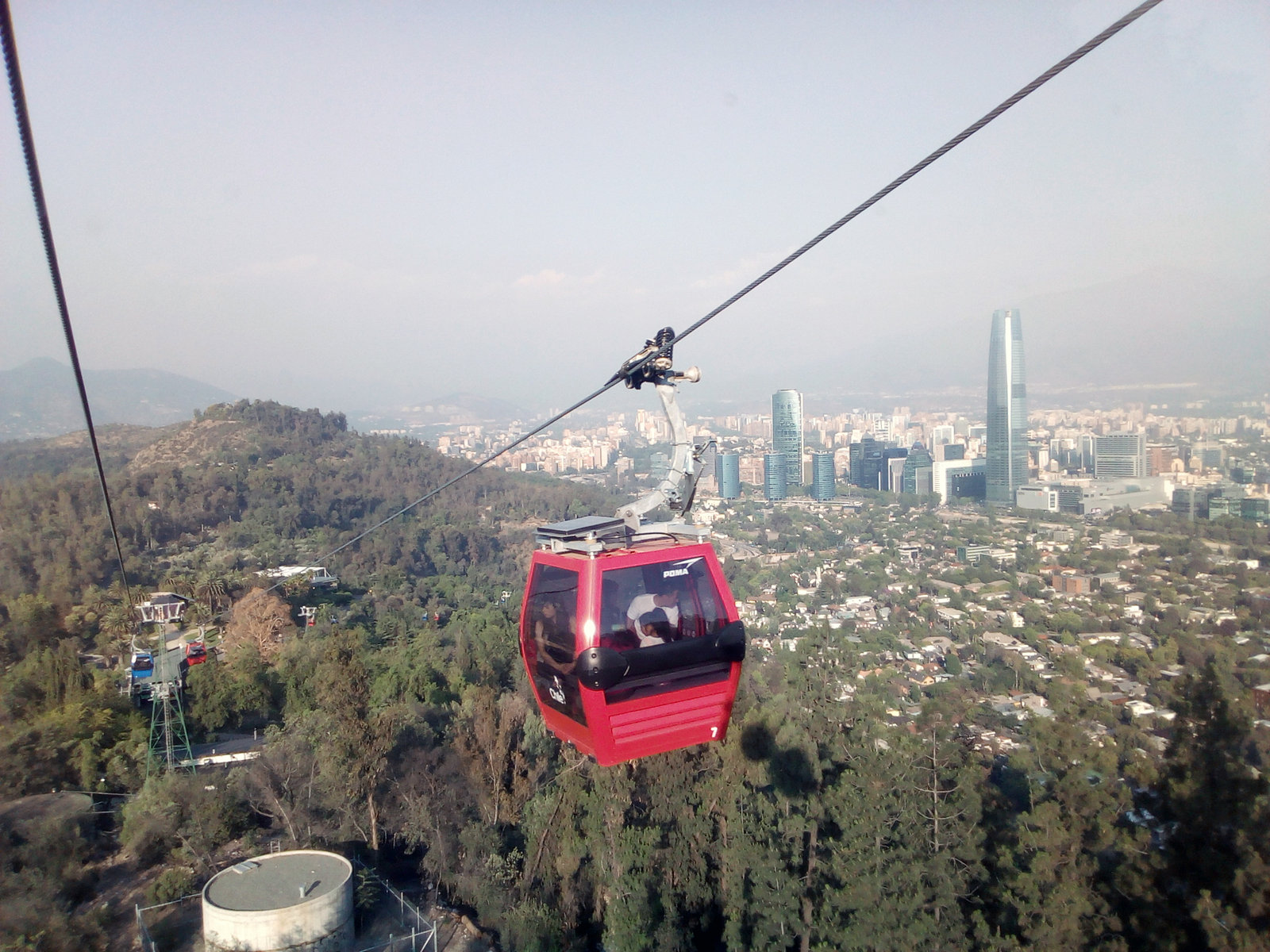
One of Providencia’s great lifestyle advantages is its access to Cerro San Cristóbal and Parque Metropolitano. The hill gives residents walking and cycling routes, green space and some of the best views over Santiago and the Andes.
The new Pío Nono cable-car line opened in 2026, creating another way to reach the summit and connecting with the established line from the Pedro de Valdivia Norte side.
A separate project, the Teleférico Bicentenario, is scheduled to enter operation in 2027 and is designed to connect Providencia with Ciudad Empresarial in Huechuraba in around 13 minutes. Together, these projects reinforce Providencia’s role as one of the city’s best-connected urban districts.
Parque Forestal: green space and classic Santiago architecture
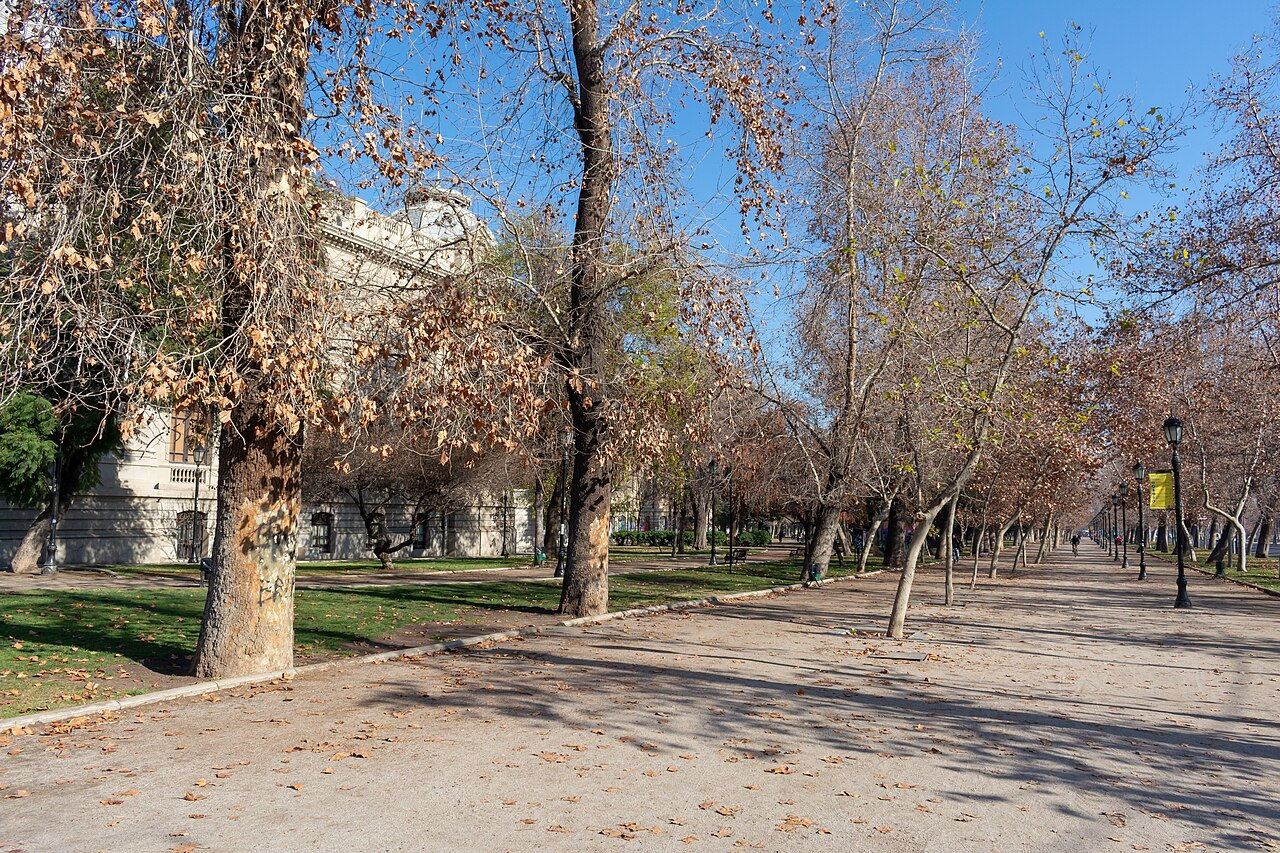
Parque Forestal follows the Mapocho River through the cultural heart of central Santiago. Its lawns, mature plane trees and broad paths give nearby apartments something rare in the city centre: an expansive green outlook and a natural route for walking, running or simply crossing the neighbourhood away from traffic.
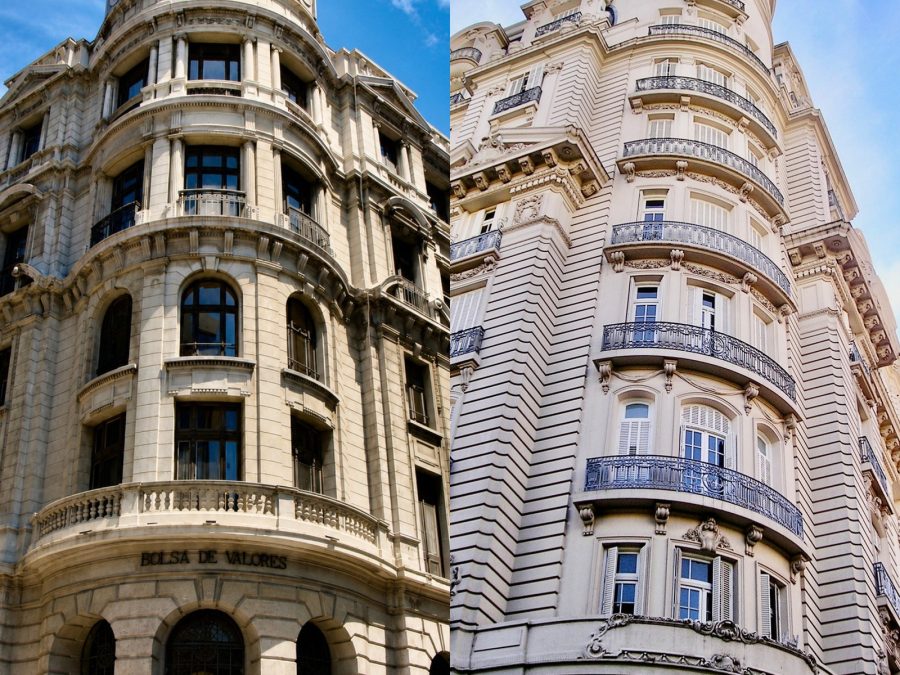
The surrounding streets contain some of Santiago’s most attractive historic apartment buildings, including early- and mid-20th-century façades, high ceilings, parquet floors, balconies and layouts with real character. Quality varies considerably. Some buildings have been carefully maintained; others need substantial work to roofs, lifts, façades or communal services.
That inconsistency is precisely where an experienced buyer may find opportunity. A dated apartment in a sound building can offer more potential than a superficially renovated unit in a poorly managed one.
Lastarria: culture, restaurants and a village feel
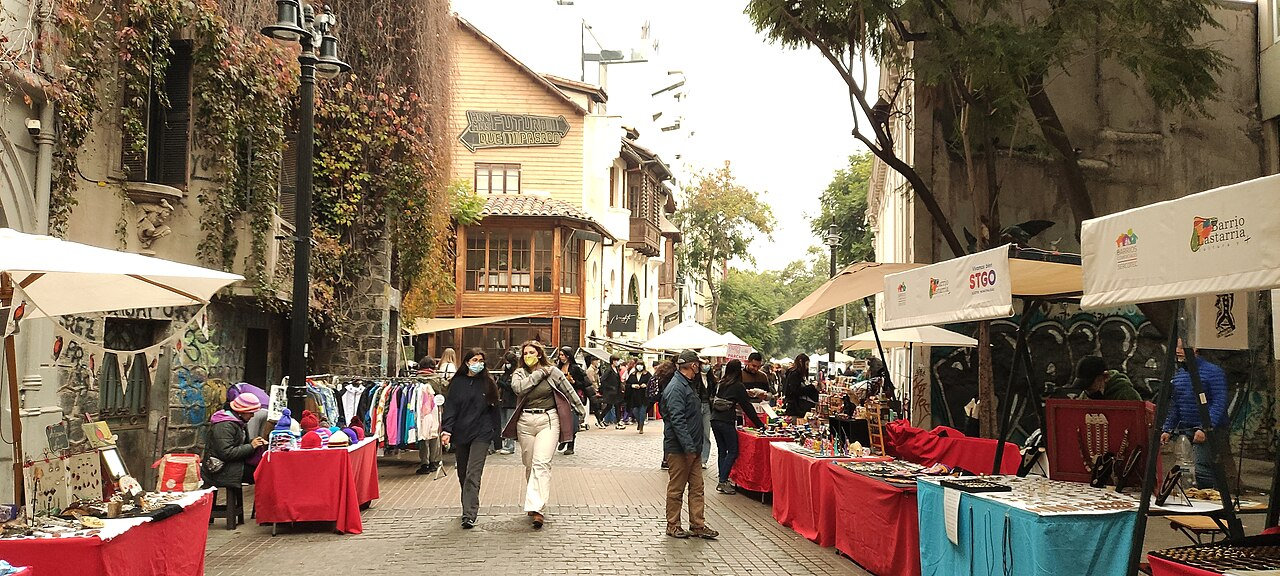
Lastarria is compact, walkable and full of personality. Its cafés, restaurants, independent shops, galleries, cinema and cultural venues make it one of Santiago’s best-known lifestyle neighbourhoods. The area feels intimate because many streets are narrow, blocks are short and much of the architecture remains on a human scale.
Architecturally, Lastarria mixes ornate houses, early apartment buildings, passages, restored façades and contemporary infill. Proximity to Cerro Santa Lucía, Parque Forestal and major cultural institutions gives the area a distinctive sense of place.
Buyers should be selective. The same lively atmosphere that makes Lastarria attractive can mean evening noise, heavy pedestrian traffic and limited parking. For the right owner or rental strategy, those qualities are part of the appeal; for others, a quieter street a few blocks away may be a better fit.
Bellas Artes: elegant buildings beside the park
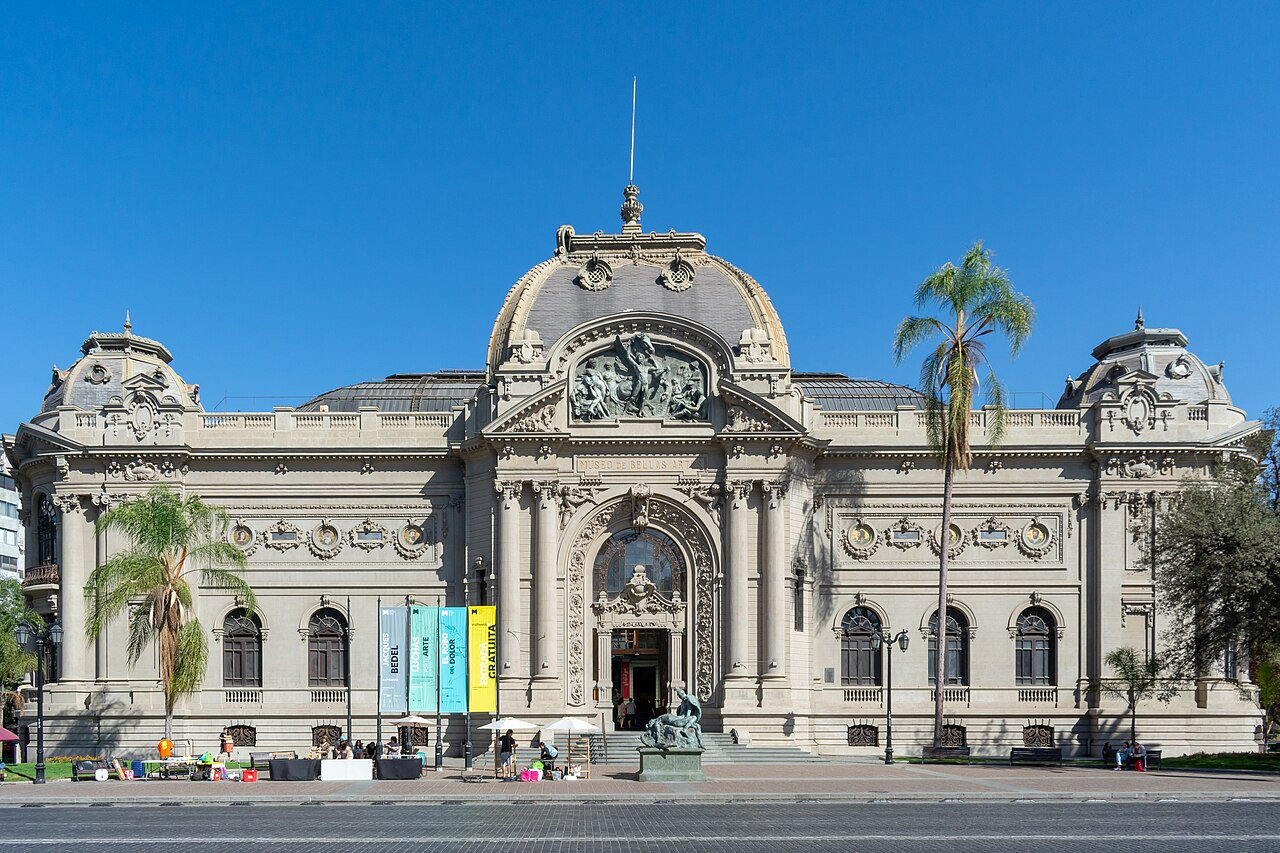
Bellas Artes sits around the Museo Nacional de Bellas Artes and the eastern end of Parque Forestal. It offers immediate access to the park, the Metro, museums, restaurants and the city centre while retaining a recognisable neighbourhood identity.
The architectural draw is the stock of older apartments: high ceilings, substantial walls, timber floors, large windows and layouts that often respond well to thoughtful renovation. Buildings closer to the park can have exceptional views, while streets just behind it may offer better value and less exposure to traffic.
This is one of the areas where Matt has repeatedly bought, renovated and sold apartments. He continues to see potential in properties that are badly presented but fundamentally sound—especially when the building, light, orientation and floor plan are stronger than the listing photographs suggest.
What buyers should check before making an offer
- The building, not only the apartment: review communal finances, planned works, lift condition, plumbing, roofing and façade maintenance.
- Renovation scope: older apartments may need complete electrical and plumbing upgrades, not just new finishes.
- Natural light and orientation: Santiago’s winter sun, summer heat and views can change dramatically between elevations.
- Noise at different times: visit on a weekday, in the evening and at the weekend, particularly in Lastarria and near major avenues.
- Gastos comunes and building rules: understand monthly charges, short-term rental restrictions, pet policies and renovation permissions.
- Heritage protections: attractive historic buildings may be subject to restrictions that affect windows, façades or structural changes.
- Exit demand: favour a layout and location that will appeal to a broad future market, even if you are buying primarily for yourself.
Where we still see opportunity
For buyers seeking apartments for sale in Santiago, Chile, the strongest opportunities are often not the cheapest listings. They are properties with fixable problems: tired interiors, poor presentation, an outdated kitchen or a layout that can be improved without compromising the building’s character.
In Providencia, enduring residential demand and excellent connectivity can support a long-term strategy. In Parque Forestal and Bellas Artes, renovation can unlock the value of space, light and architectural detail. In Lastarria, the best purchases combine atmosphere and walkability with a position that avoids the busiest nightlife.
How Chile Investments can help
Chile Investments can help international buyers identify suitable property, assess neighbourhoods and buildings, organise visits, introduce independent legal professionals and guide the purchase process. Matt’s practical experience as an owner, renovator and seller in these neighbourhoods adds a valuable perspective when evaluating what a Santiago apartment could become—not only how it looks today.
If you are considering real estate in Santiago, Chile, and want to compare property in Providencia with opportunities in Parque Forestal, Lastarria or Bellas Artes, contact Chile Investments for a focused, honest discussion.
Photo credits
Providencia — Carlos Figueroa Rojas / Wikimedia Commons, CC BY-SA 4.0.
Parque Forestal — Carlos Figueroa Rojas / Wikimedia Commons, CC BY-SA 4.0.
Lastarria — Cristian Coloma / Wikimedia Commons, CC BY-SA 4.0.
Bellas Artes — Carlos Figueroa Rojas / Wikimedia Commons, CC BY-SA 4.0.
Teleférico de Santiago — Sfs90 / Wikimedia Commons, CC BY-SA 4.0.
MUT interior — Sfs90 / Wikimedia Commons, CC BY-SA 4.0.